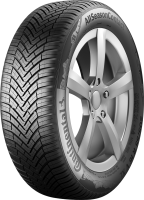
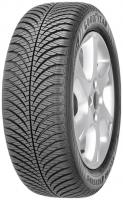
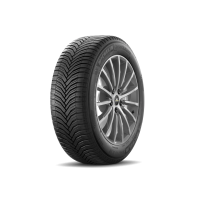
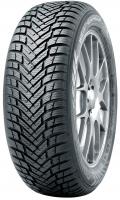
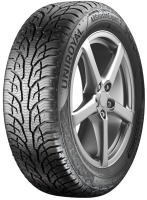
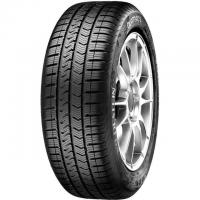
The 2020 ADAC SUV All season tire test has tested seven all season tires in the popular 235/55 R17, and include a summer tire in the dry and wet, and a winter tire during snow and ice testing.
ADAC usually hides all their data and just gives numeric scores, but this year have released braking distances for all four braking tests. This might be to back up their conclusion from this test, which is even the best all season tires are deficient compared to a summer and winter tire combination.
The other thing worth noting, ADAC gives 30% of the score weighting to snow and ice performance, which is ideal for the colder European climates, but less ideal for climates like the UK which see snow once every few years. As always, dig into the data yourself, as according to these results, the last placed Bridgestone might just be a better all season tire for the South of England than the other all season tires in this test.
Braking
The dry braking test (from 100 km/h) really highlighted why ADAC believes a summer and winter tire combination is a safer year round option than an all season tire, as even the best all season tire still took an extra 6.5 meters to stop the SUV.
Dry Braking
Spread: 14.60 M (39.5%)|Avg: 45.68 M
Dry braking in meters (Lower is better)
Dry Braking: Safety Impact: Best vs Worst Tire
The Bridgestone A005 had an impressive advantage when stopping in the wet from 80 km/h. The summer tire could only place third.
Wet Braking
Spread: 6.80 M (19.7%)|Avg: 38.91 M
Wet braking in meters (Lower is better)
Wet Braking: Safety Impact: Best vs Worst Tire
Snow braking from 50 km/h was led by the winter tire, with Nokian, Uniroyal, Continental and Goodyear all performing well.
Snow Braking
Spread: 8.50 M (34.1%)|Avg: 28.90 M
Snow braking in meters (Lower is better)
Snow Braking: Safety Impact: Best vs Worst Tire
Ice braking from 30 km/h again gave the winter tire a clear advantage.